

Hello! I hope this letter finds you all well and settling into the rhythms of a Spring that took a while to arrive and will soon move into summer. Welcome to this month’s Cider Supplement, in which I share a little about the wider world of cider and perry outside our own. Ranging from how it’s made, to events we’ve been to and what’s good to drink right now; there should be a little something for everyone.
If you enjoy what you read, do hit the little heart at the bottom of the post and leave me a comment, I’d love to hear from you all!
When you think of cider, what’s the first thing that pops into your head? The image that pushes forth through the complex jumble where memory creates vision? Was it a deep red fruit dangling from drooping branches, blushing with ripe burgundy, dusted with dew and pleading to be gathered into your welcome palm? Was it an elegant, stemmed glass offering a rich, deep amber nectar to sip and savour? Or was it a fizzy pint on a picnic bench in a beer garden?1
For many it’s the latter.
I’m quick to acknowledge that all variations on a theme exist for a reason and that, at times, you can come across a fine fizzy pint of juicy, appley goodness. A handsome escort to the setting sun on a gloriously warm evening.
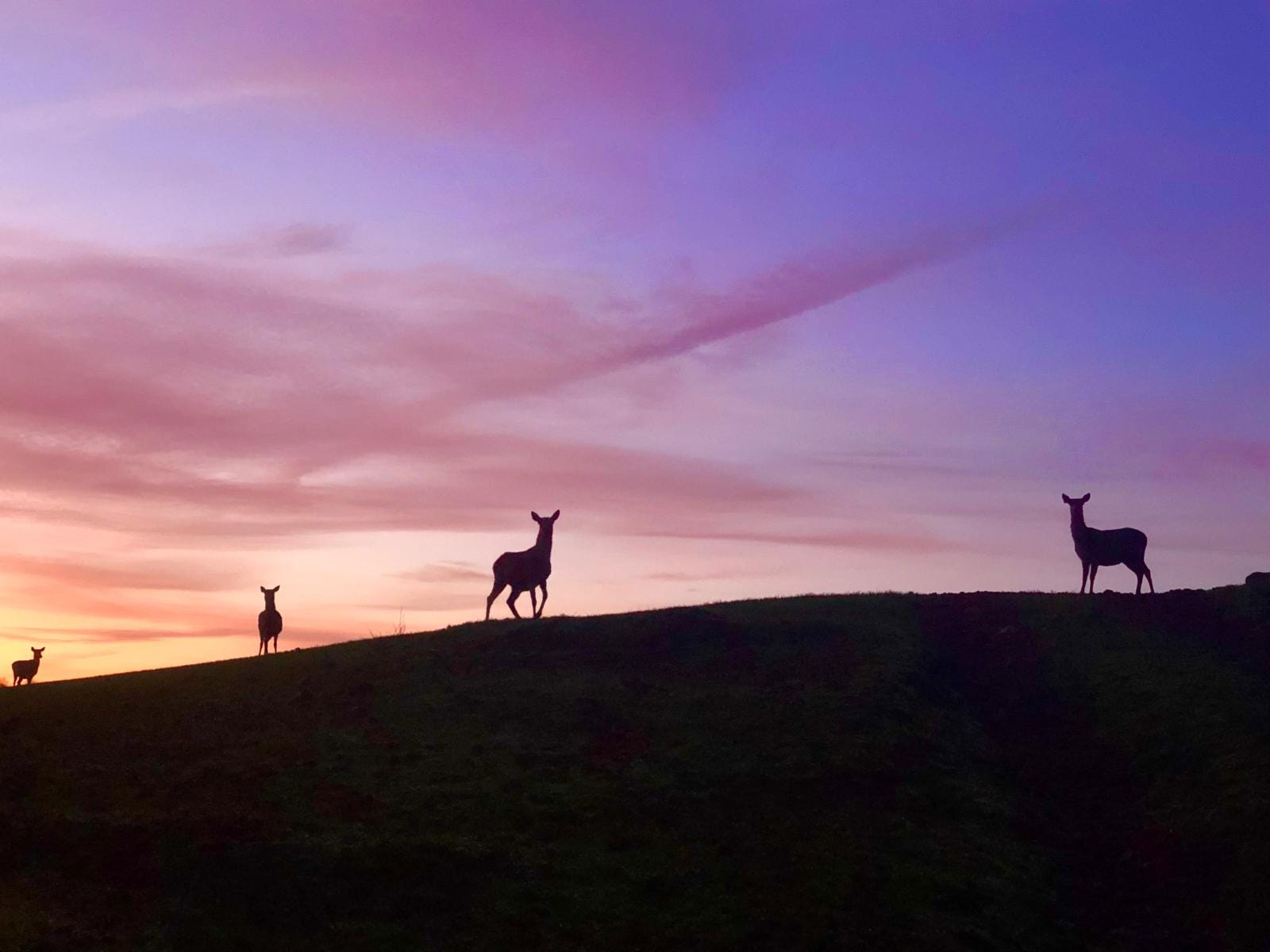
But do you know how the bubbles get into your drinks? How to pop emerges from the pomace? How the fizz emerges from a fermentation?
There are several ways to go about it. For the aforementioned fizzy pint it is almost certainly force carbonated. Carbon dioxide pumped into the final blend under pressure. That works. The gas lends a slight increase in acidity and results in a harsher, bigger bubble than other methods. That may sound a little strange but I encourage you to enjoy some side by side tasting and you’ll experience the difference.
Then there’s bottle conditioning. This covers a couple of techniques; methode traditionelle and petillant naturel (pet nat) but today I’m talking Normandy Style Pet Nat.
We finish the cider (and perry) we produce using the heritage method as pet nat (more on the terminology of methods in a future Cider Supplement).
You can read how this also applies to wine making in this post from Helena Nicklin - I’m learning a lot about wine from her and am particularly fascinated in how the techniques align.
Getting this technique right involves a close connection to your fermentation. Our approach begins as we stroll through orchards during harvest, the later the better2. The fruit, the temperature, the acidity and sugar, the tannins. The acuity with which we foresee the months following harvest, maturation and fermentation. Much of our fermenting is overseen with an intuitive eye rather than fiercely scientific approach. pH and sugar levels are key variables in the fermenting juice, the wild yeasts crying for comfort if balances shift unsteadily. Our role as observer is as critical as any in which we physically interact.
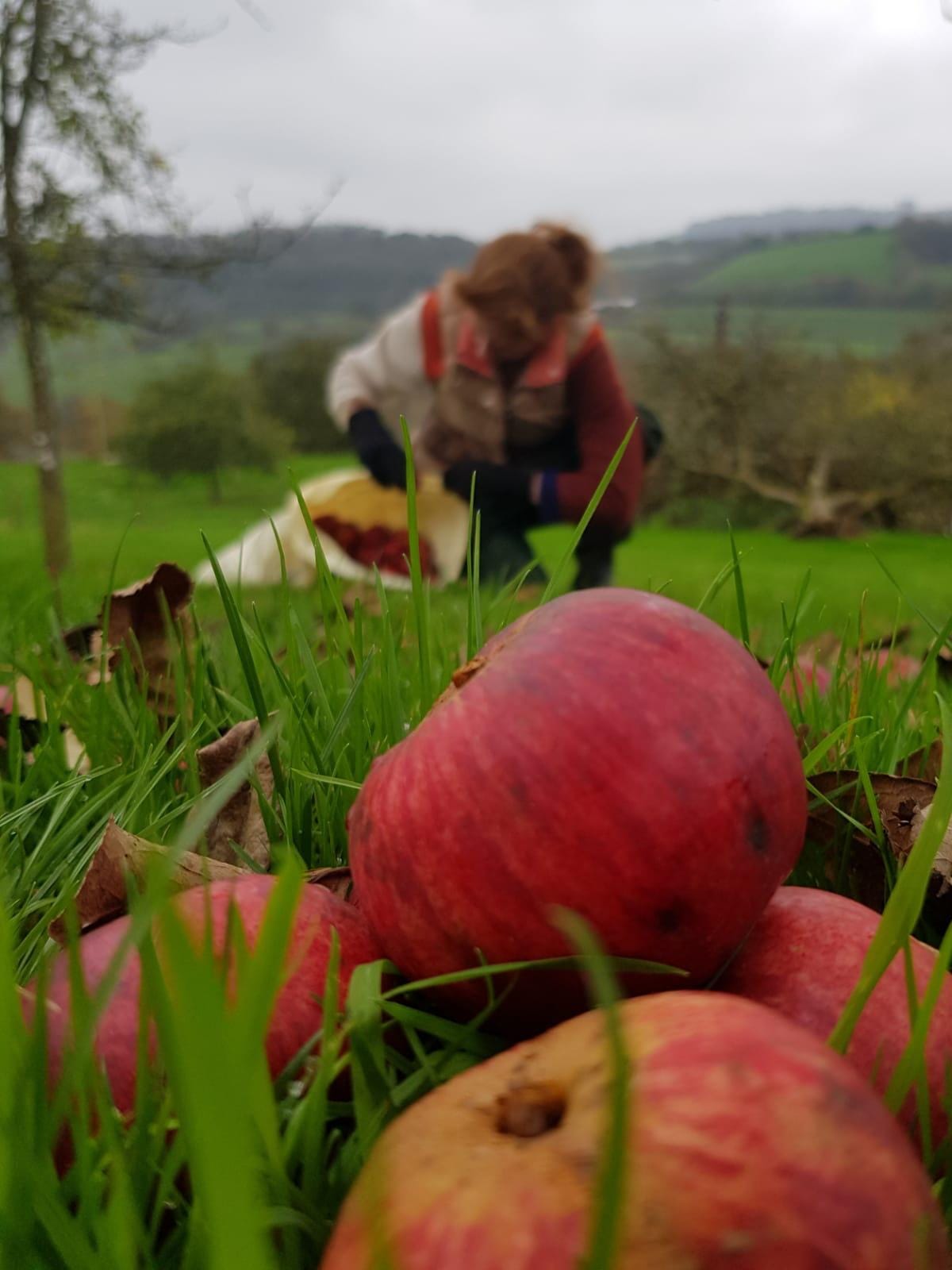
As the months pass and the yeasts’ work drifts towards a gentle completion, our eyes and ears tune ever closer. By this point we’re often four to six months into our relationship3. We’ve been side by side through the emergence of flavour profiles, aromatics and tannins. Here we measure the sugars that signal the time to bottle the liquid.
The residual sugar in the fermentation4 at this stage indicates how much work the yeast has yet to do in converting that sugar to alcohol. The final stage, the home straight, is what we strive to happen inside the bottle. We bottle it while it’s ‘alive’. A terrible sounding fate but one that captures the remaining vitality of the orchard fruit we gathered months before.
Get it wrong and the drinker unintentionally celebrates a podium position5 (or worse; their ceiling does). Get it right and the resulting bubbles are rich and velvety, gently carrying the complexities of the fruit over delighted palates.
Experience it and it’s hard to go back…search out Normandy Style ciders!
Here are Mike’s artistic illuminations on our Normandy Style Pet Nat Ciders. If you missed his thoughts on our Normandy Style pet nat perry you can head back or recap.

Vibrant
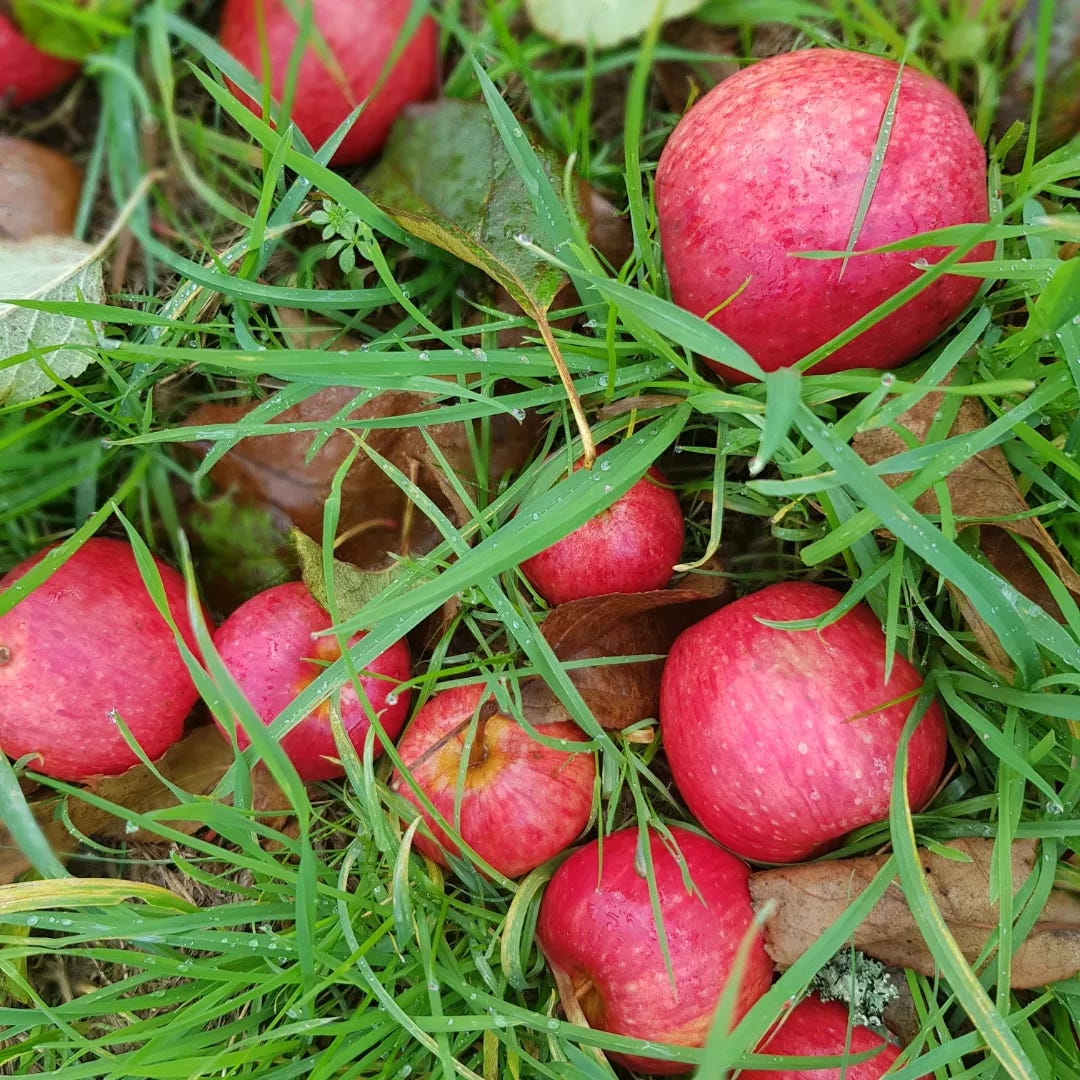
Our first variety of Vibrant was a very small batch of single variety Browns apple. It’s a small dark red skinned Devonian apple that’s almost ever present across the many orchards we pick from. Its normally regarded as a mid season apple, and indeed most of the larger players will shake and mechanically sweep the fruit early October. But in the right conditions it lasts in the grass for ages. We have picked Browns early December, and the later you pick the more the fruit seems to intensify its flavour. For one thing the red skin starts to flush the apple flesh with a pink staining. We always wild ferment and that year it naturally stopped out at around just 3.3% alcohol with quite a bit of unfermented sugar. But just enough to balance its vibrant acidity. We’ve really lent into the acidity with the 2026 blend - 75% Browns apple, 20% Porters perfection (another very late bitter sharp) and 5% Foxwhelp (perhaps the sharpest of the lot). The key is keeping enough natural sugars to provide balance. And bottling it live to harness the last of the fermentation activity and provide that crisp, mouth filling carbonation.
I see colours. Reds like strawberries but ebbing towards oranges like clementines and then flowing back towards cream like meringue nests. It’s another nose that draws you in with its juiciness. For relatively low alcohol there is a lot of flavour here. Fresh fruit right off the bat, acidity tempered with a little residual sugar. There is some tannin there with a noticeable long finish, but it never feels dry.
I just couldn’t get a handle on the type of movie Vibrant represented. It was tempting to suggest some sort of action thriller but it didn’t accurately encompass the feeling I was getting. Vibrant is all energy. A make you feel alive drink. An of the moment, visceral, heart pumping, can’t take your eyes off it kind of drink. And then it hit me. Its live sport. A sunny Saturday or Sunday afternoon. It’s late in the season and things are coming to a head. You walk into the garden holding a bottle of Vibrant and you know it’s that time - now or never. Trophy time. Ballon D’or business. We’ve showcased some tekkers alright. Last minute title winning, back of the net tekkers. You open and pour. The first taste is pure joy. Pure sporting spectacle. Your spine tingles with that rare but oh so powerful frisson. A script you couldn’t write. The crowd roars. The commentators voice breaks. In arguably the second greatest piece of sports commentary ever, as Martin Tyler screams the Aguero goal “ooooooooooo, I swear you will never see anything like this ever again. So watch it. Drink it in”. Treasure the moment. Soon the bottle will be empty and the moment over. It is now.
Orchard Blend
If you have ever holidayed in Normandy or Brittany you will recognise the flavours of Orchard Blend. Aromas of autumn that they call the ‘sous boi’ – beneath the wood, or more prosaically orchard floor. Ripe apples, leaves, bark. And the taste is all sweet and velvet. The residual sweetness (doux being very sweet and brut being a little drier) is normally balanced with a little acidity and plenty of tannins.
This pours a hazy dark amber almost terracotta / marmalade colour. A graduated natural orange. An ambre ombre if you will. These dark colours are a good indicator of high levels of polyphenols – tannins. On the nose I get real autumnal notes. Late season apples, and because we hand pick we find our drinks normally stay fruity rather than earthy. The first taste is velvet, and then as you swallow the bittering tannins make themselves known.
There’s something about making this drink that always feels like we are starting out on a mission. We roughly know where we are going, and how it’s going to shape up, but often we get drawn to different orchards or different apple varieties. And because its wild ferment there is always jeopardy. Often we feel like it’s just getting out of control, before settling as the weather cools, and we somehow escape from danger. Even with the sweetness the velvety feel and powerful fruit give it a sophisticated flavour profile. The 2026 feels like the Daniel Craig of Normandy styles. Its full bodied. The tannins are firm and muscular and rise out of the liquid. Its stylish. Its Debbonaire. The name’s Blend. Orchard Blend ...
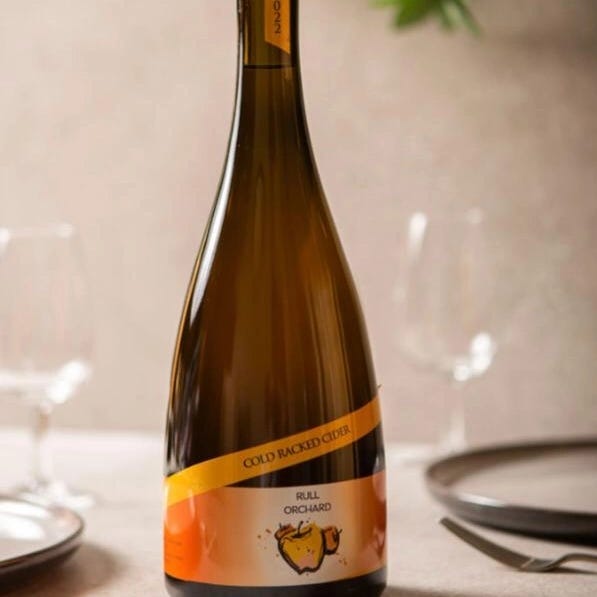
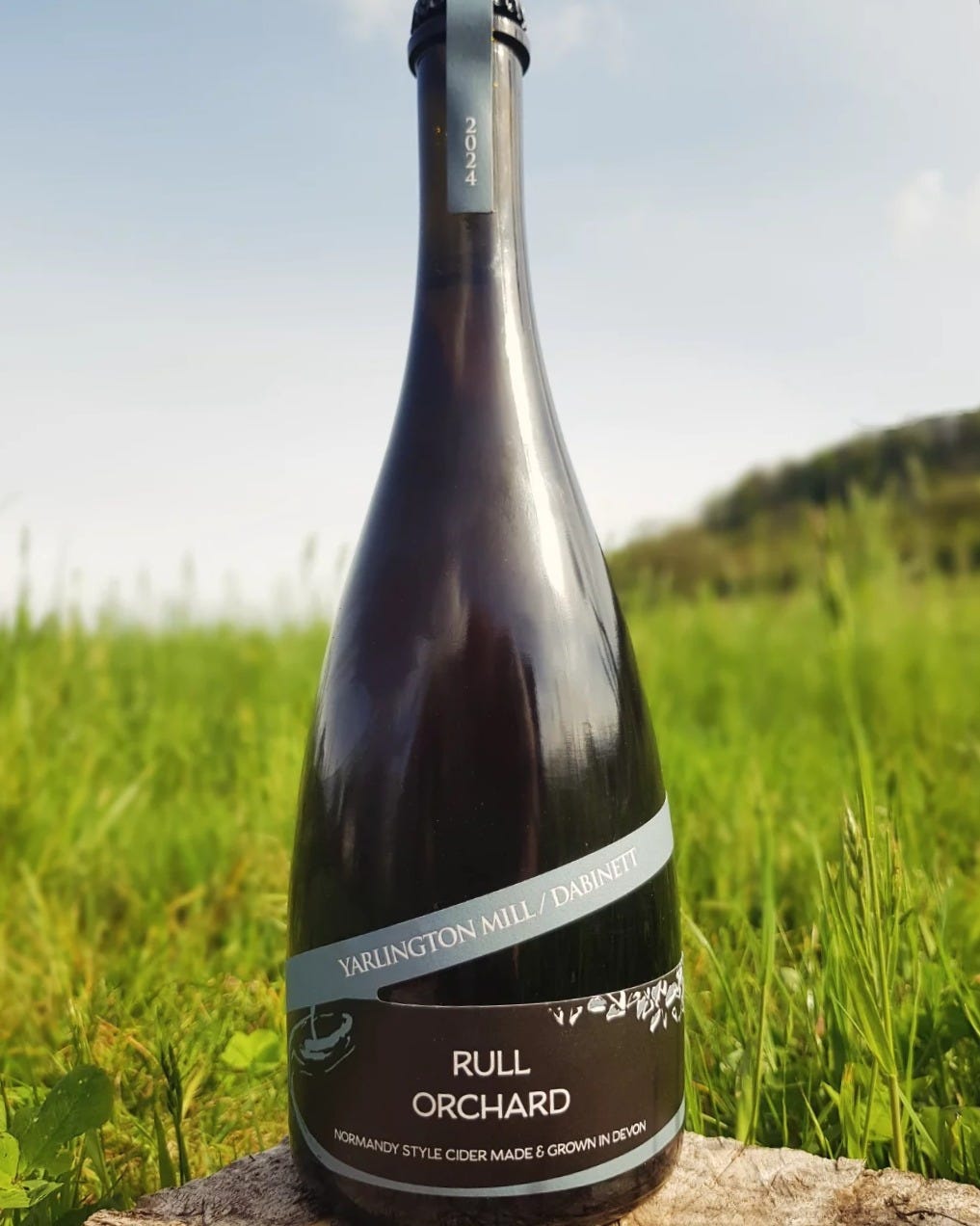
Last but not least would be our Yarlington Mill/ Dabinett blend. Recent winner of a Gold award at the Devon County show; like biting into a ripe red apple in the dabbled sunlight of a late autumn day. Those of you lucky enough to come along to the London Cider Salon this weekend got a chance to sample it (some of you came round twice).
Coming up
This doesn’t normally feature in the Cider Supplement but it’s a cider event that you can come along to on 4th June at Shillingford Organics. As with the panel discussion on fermentation last autumn, I’ll be chatting fermenting orchard fruits with local fellow fermenters including the lovely Rose of Seasoned and Fermented - there’ll be bread, cheese, kraut, kimchi and cider - do come and join us!

I stop short of offering you a vision of a jerry can at a farm gate.
The colder the better
Comfortable with each other yet still making an effort when we meet up
Much more complicated if perry pears are involved!
This is the only ‘podium’ I’ve ever celebrated, once, after a successful tournament. It’s actually very sticky and not to be advised in the late summer months when wasps then see you as a mobile buffet.
Fascinating! Thank you